Why Your Toilet Keeps Running
Usually, a toilet keeps running because one of three cistern parts has failed: the inlet valve not shutting off, a worn flush seal, or a float level set above the overflow. This guide for Chermside households explains each one, the colour test that catches a silent leak, and the rules on what you can lawfully swap yourself.
If we're late, $100 comes off your bill

- Licensed and InsuredEvery job done by a licensed plumber. QBCC No: 15024607
- Fixed Quote FirstFlat-rate pricing, agreed before any work starts
- Lifetime Labour WarrantyBacked by our Fix-It-or-It's-Free guarantee (T&Cs apply)
- $0 Call-Out FeesNo extra charge for nights, weekends or public holidays
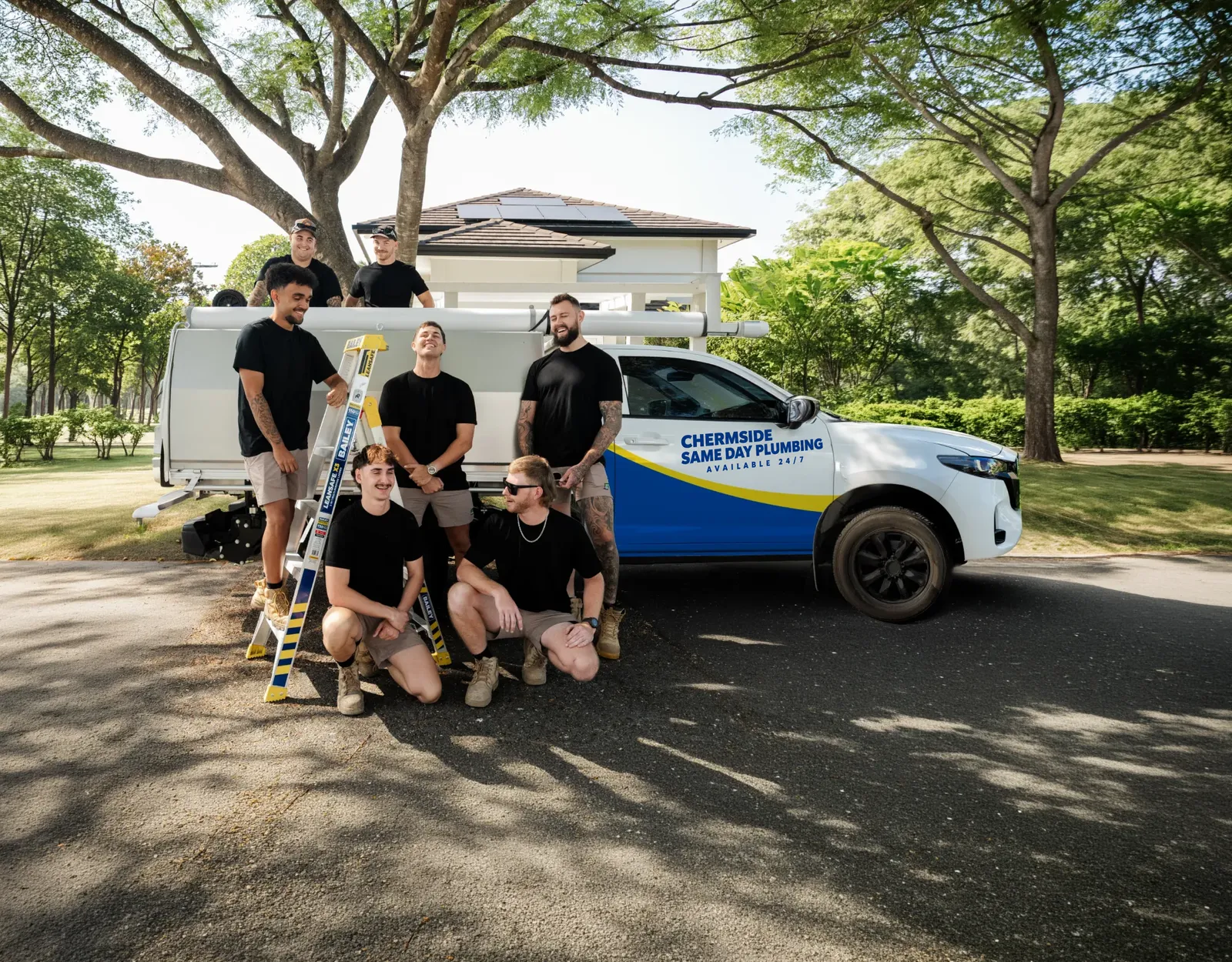
Everything past the checks here is work for a licensed plumber. Cisterns in this suburb range from fittings inside 1940s Housing Commission cottages to the hardware in 2000s apartment blocks, so a worn 1960s unit and a near-new one can share a street.
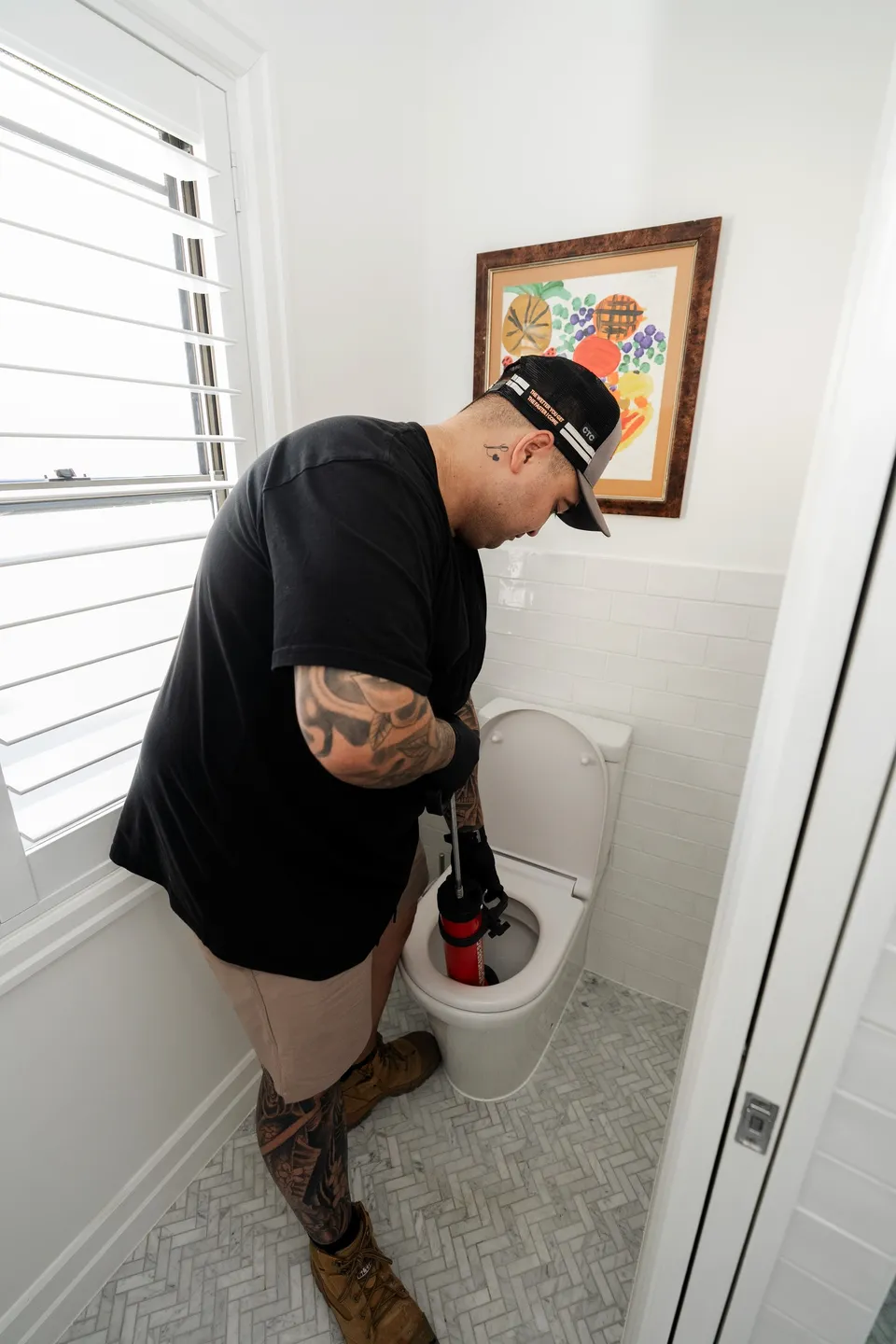
Inlet Valve, Flush Valve Seal and Overflow Explained
Three parts explain almost every running cistern: the inlet valve, the flush valve seal and the overflow.
The inlet valve
tops the cistern back up after every flush and stops when the float reaches its mark. A valve that refuses to quit leaves a hissing or trickling sound running on past the refill.
The flush valve seal
is the rubber gate holding stored water in the tank between flushes. Wear on that rubber lets water escape into the pan, so the cistern quietly tops itself up to cover the loss.
The overflow
takes surplus water out through the pan instead of onto the floor. A valve that will not shut, or a float riding high, lifts the level past it, and the surplus sometimes shows up as a dripping relief pipe outside.
Each fault sounds different. Hissing that carries on after the refill ends points to the inlet valve, while a cistern refilling itself between flushes, or water tracing down the inside of the pan, points to the seal.
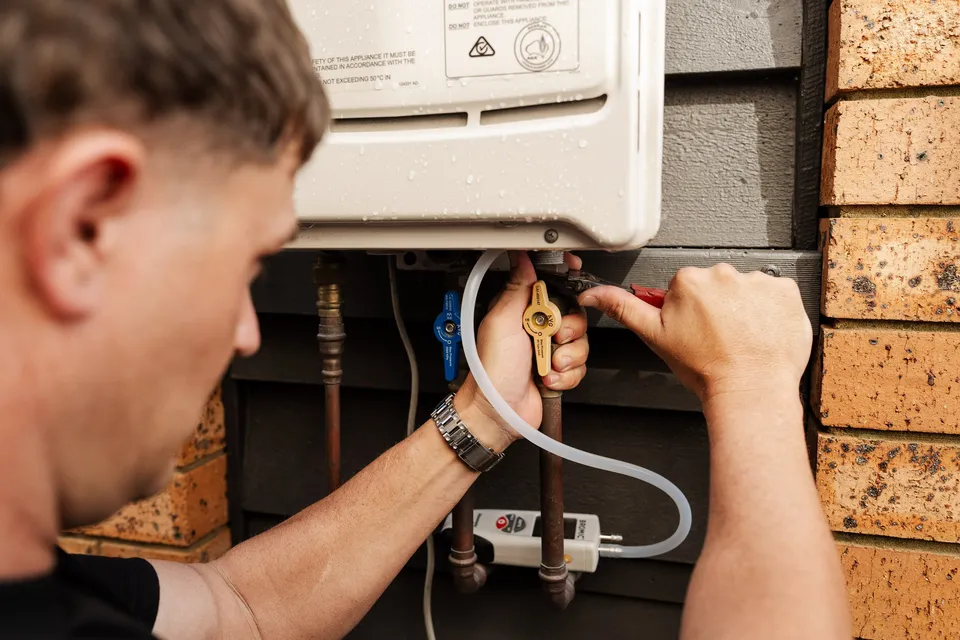
Check for a Silent Leak With Food Colouring
A dye test settles the question with one kitchen item:
- Stir enough food colouring through the cistern water to tint it clearly.
- Leave the toilet alone and resist flushing. No fixed wait applies, so give it as long as you can spare.
- Lift the lid and look at the bowl. Tint appearing there with no flush behind it means the tank is draining into the pan.
Flush the dye away once you have your answer, because it leaves no mark on a ceramic bowl. A clear bowl tells you the flush seal is holding, so the water level and the inlet valve are the next suspects.
No colouring in the kitchen? Press a dry piece of toilet paper against the inside back of the pan, above the waterline. The paper should stay dry; water tracking down behind it wets the paper and gives the same answer.

Slow, Partial or No Refill After a Flush
A cistern that refuses to fill usually points at one of three things: an inlet valve worn or gummed up, a float hung too low, or a stop tap wound partway. Rule the tap out first, since opening it fully is the quickest win.
One trap catches people out. Water flowing in while the level never climbs means the flush seal is probably dumping it out at the same rate it arrives. The supply is fine in that case; the leak is the fault.
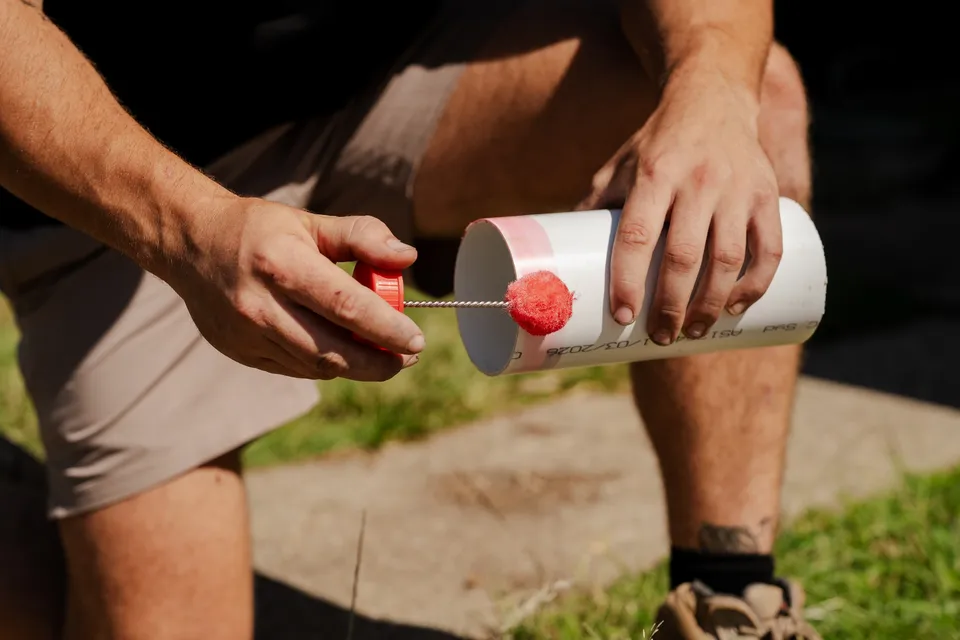
Which Cistern Parts a Home Owner May Replace
The QBCC leaves three cistern jobs open to whoever has the ability for them: fitting a new drop valve washer, float valve washer or suction cup rubber. Those renewals are unregulated work, so a licence is not required, and the finished job still has to satisfy the standards.
Beyond those three, toilet repairs are minor work: a QBCC licensee handles them, and neither a permit nor a Form 4 comes into it. In a Queensland rental, the tenancy Act puts upkeep on the owner or manager, and the tenant flags a fault straight away.

What a Running Cistern Does to Your Water Bill
No, Urban Utilities excludes leaking toilet cisterns from its concealed leak adjustment. Taps, hot water systems and other water-using appliances sit outside that adjustment too, so a running cistern earns no credit on the account.
The utility's policy puts leaks on a property, and their costs, onto the property owner first. At the last census most homes here were rented rather than owned, so the bill for a quietly leaking cistern usually lands with a landlord rather than the household flushing the toilet.

When to Call a Plumber
The moment to call is easy to name: colour in the pan, a cistern that will not fill, or an overflow that keeps dribbling between flushes. If the toilet keeps running after the checks above, the fault sits inside the cistern, and that is where our toilet repairs service picks up the thread.
We trace the fault, quote a fixed price before any work starts, and finish the job same-day where we can. Base leaks, pan connections and the call on repairing an older suite or replacing it are all part of that work.
Questions About Running Toilets
Call (07) 3524 7163Why does my toilet keep running after I flush?
One of three faults, almost every time: the inlet valve that won't close, a flush seal letting water into the pan, or a level above the overflow. Hissing that carries on once the tank is full blames the valve, and a cistern topping itself up between flushes blames the seal.
How do I check a cistern for a silent leak?
A splash of food colouring in the cistern, no flushing, and a wait will answer it. Colour reaching the pan means a leak, so flush afterwards to rinse the dye out, because it will not stain a ceramic bowl.
Can I fix a running toilet myself in Chermside?
Yes, but only three parts: the drop valve washer, the float valve washer and the suction cup rubber. The QBCC treats those renewals as unregulated work that still has to satisfy the standards. Anything further on a toilet belongs with a licensed plumber.
Who fixes a running toilet in a Chermside rental?
Under Queensland's tenancy laws the owner or manager keeps the premises maintained, and the tenant flags the fault straight away. A running toilet is routine, so the repair happens within a reasonable time after that. The emergency list instead names a toilet that is blocked or broken.

Talk to Us About a Running ToiletWe'll call you back.
Book on (07) 3524 7163 for plumbing anywhere in Chermside. We're available 24/7, there's no extra charge for nights, weekends or public holidays, and every job comes with $0 call-out fees.
To claim your $0 call-out fee, call (07) 3524 7163 today.